Source Sports Blocking Glasses Frame for Work and Sport
Find 30 options for sports blocking glasses frame designs suitable for industrial safety, optical reading, and casual wear. Compare features like lens material, frame color, and customization services to select the right protective eyewear for your business needs; compare the available evidence and request quotations based on your requirements.
Key considerations
Products List


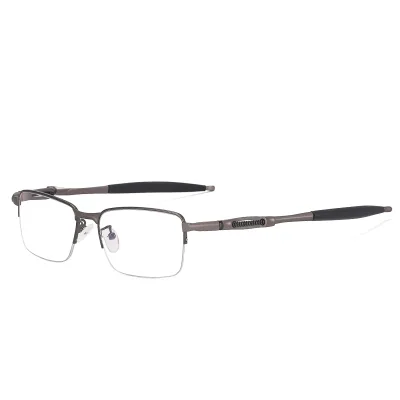


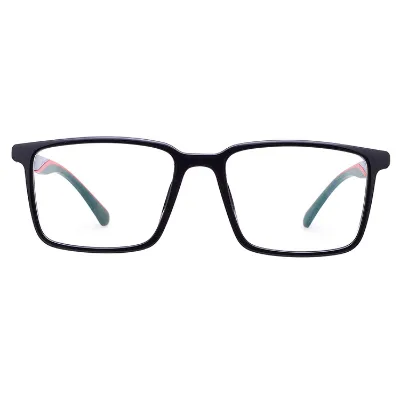


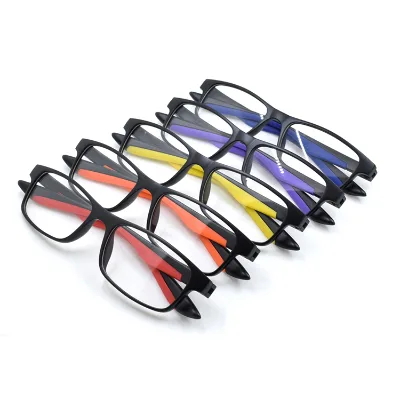


Comprehensive Sourcing Guide
Sports Blocking Glasses Frame Sourcing Guide
Procuring sports blocking glasses frames requires a nuanced understanding of the diverse product landscape, which ranges from industrial protective eyewear to specialized optical frames. Buyers must distinguish between general-purpose safety glasses designed for dust and shock resistance and frames engineered for specific athletic or optical needs. The market offers significant customization options, including OEM and ODM services, allowing brands to tailor products to their specific aesthetic and functional requirements. Understanding these distinctions is critical for aligning procurement strategies with end-user expectations, whether the goal is workplace safety or high-performance athletic support.
The sourcing process is further complicated by the variety of materials and design features available, such as elastic head bands, full-frame structures, and diverse lens colors. Suppliers often provide frames compatible with various face shapes, including oval faces, and offer unisex designs that appeal to a broad demographic. Buyers should carefully evaluate the intended usage, such as anti-radiation, anti-fog, or anti-scratch applications, to ensure the selected frame meets the necessary performance criteria. This initial assessment helps in filtering suppliers who can deliver the specific combination of durability, comfort, and visual clarity required for the target market.
Product Scope and Observed Listing Signals
The current market landscape for sports blocking glasses frames reveals a wide price range, typically observed between 0.5 and 6.99 USD, reflecting the diversity in material quality and manufacturing complexity. Minimum order quantities vary significantly, ranging from small batches of two units to large industrial orders of up to 1200 pieces, catering to both niche brands and large-scale distributors. This variability allows buyers to test market demand with low-risk initial orders before committing to larger production runs. It is essential to analyze these signals to determine the most suitable supplier tier based on volume requirements and budget constraints.
Product listings often highlight specific attributes such as simple or sports styles, with frame colors including black, grey, blue, gold, silver, and brown. Lens materials are frequently cited as special glass or polycarbonate, offering different levels of impact resistance and optical clarity. Some products are marketed as industrial protective safety glasses with anti-splash features, while others are positioned as optical frames for reading or sports use. Buyers should scrutinize these descriptions to ensure the product specifications align with their quality standards and functional needs, paying close attention to details like nose support types and frame materials.
Technical Specifications to Verify
Verifying technical specifications is paramount to ensuring the durability and comfort of sports blocking glasses frames. Key attributes to confirm include the frame material, which may be CP, PC, or copper alloy, each offering distinct advantages in terms of flexibility, weight, and corrosion resistance. The lens type, whether replacement lenses or integrated optics, must be evaluated for clarity, color, and specific protective features like anti-fog or anti-scratch coatings. Additionally, the fit should be assessed for compatibility with various face shapes, ensuring a secure and comfortable fit during physical activity or prolonged wear.
Buyers should also verify the structural integrity of the frame, including the nose support design, which can be a one-piece construction for enhanced stability. The presence of elastic head bands is a critical feature for sports applications, providing a secure fit that prevents slippage during movement. Furthermore, the packaging details, such as individual PP bags and carton quantities, impact logistics and storage efficiency. Confirming these technical details with suppliers ensures that the final product meets the rigorous demands of sports environments and provides the necessary protection and performance for end-users.
Compliance and Safety Documentation
Compliance with safety standards is a non-negotiable aspect of sourcing sports blocking glasses frames, particularly for products marketed as industrial protective gear. Buyers must request and verify relevant certifications, such as CE, FDA, and ISO standards, to ensure the products meet international safety and quality benchmarks. Specific standards like EN 14889: 2003 may apply to certain protective eyewear, offering guidance on impact resistance and optical quality. It is crucial to confirm that the supplier can provide valid documentation for these certifications, as this validates the product's safety claims and regulatory compliance.
In addition to certifications, buyers should inquire about the testing procedures used to validate the product's performance against hazards like chemical fluids, dust, and shock. While some listings mention ASTM F803, buyers should verify if this standard is actually applied to the specific product model, as it is not universally confirmed in all contexts. Ensuring that the frames meet the necessary safety requirements protects the buyer from liability and enhances consumer trust. Clear communication with suppliers regarding compliance documentation helps mitigate risks and ensures that the products are suitable for their intended use cases.
Cost Drivers and Commercial Terms
Several factors influence the cost of sports blocking glasses frames, including material selection, customization options, and order volume. The use of premium materials like special glass or specific metal alloys can increase production costs, while bulk orders often benefit from economies of scale. Customization services, such as logo printing or unique frame designs, may incur additional fees, impacting the overall unit price. Buyers should negotiate clear commercial terms, including payment methods, shipping responsibilities, and return policies, to avoid unexpected expenses and ensure a smooth transaction process.
Lead times and sample availability are also critical commercial considerations. Suppliers may offer sample times of 5-7 days, allowing buyers to evaluate product quality before placing large orders. Fast delivery advantages can be a significant selling point for brands with tight inventory cycles. Buyers should clarify these timelines and ensure they align with their supply chain requirements. Additionally, understanding the gross weight and package dimensions per batch is essential for calculating shipping costs and storage needs, providing a comprehensive view of the total cost of ownership.
Supplier Qualification and Quality Control
Qualifying suppliers involves assessing their manufacturing capabilities, quality control processes, and track record in the industry. Buyers should verify the supplier's ability to handle OEM and ODM requests, ensuring they have the technical expertise to produce customized products to exact specifications. Quality control measures, such as inspection protocols for frame integrity and lens clarity, are essential to maintaining consistent product quality. Suppliers with a reputation for high-standard production are more likely to deliver reliable products that meet buyer expectations and reduce the risk of defects.
It is also important to evaluate the supplier's responsiveness and communication skills, as these factors impact the efficiency of the sourcing process. Suppliers based in regions like Guangdong, China, often have established supply chains and manufacturing infrastructure, but buyers should still conduct due diligence to ensure reliability. Requesting references or case studies from previous clients can provide insights into the supplier's performance and customer satisfaction levels. A thorough qualification process helps build a strong partnership with suppliers who can support long-term procurement goals and adapt to changing market demands.
Long-Term Procurement Checks
Establishing long-term procurement checks ensures sustained quality and reliability in the supply of sports blocking glasses frames. Regular audits of supplier performance, including on-time delivery rates and defect percentages, help identify potential issues early and facilitate corrective actions. Buyers should also monitor market trends and technological advancements to ensure their product offerings remain competitive and relevant. Continuous engagement with suppliers for feedback and improvement suggestions fosters a collaborative relationship that drives innovation and efficiency.
Additionally, buyers should periodically review compliance documentation to ensure ongoing adherence to regulatory standards, which may evolve over time. Maintaining a diverse supplier base can mitigate risks associated with single-source dependencies, providing flexibility in sourcing strategies. By implementing robust long-term procurement checks, buyers can optimize their supply chain, reduce costs, and enhance product quality, ultimately delivering greater value to their customers and achieving sustainable business growth in the competitive eyewear market.
FAQs
Can these sports blocking glasses frames be customized with a logo?
Yes, customization is available for these frames. The product page explicitly states that OEM, ODM, and customized logo services are accepted. Buyers can request specific branding to align with their corporate identity or retail requirements, ensuring a tailored appearance for bulk orders without compromising the structural integrity of the CP or PC frame materials.
What certifications do these protective glasses meet?
These glasses meet CE and FDA standards, along with ISO EN 14889: 2003. The documentation confirms compliance with these specific safety regulations, ensuring the lenses and frames provide adequate protection against dust, shock, and chemical fluids. This certification level supports their use in industrial environments where eye safety is a critical operational requirement.
What is the minimum order quantity for these frames?
The minimum order quantity ranges from 2 to 1200 pieces depending on the specific variant. This flexibility allows buyers to start with small test batches or proceed directly to large-scale procurement. The selling units are structured as multiples of 12, which simplifies inventory management and shipping calculations for international B2B transactions.
Which materials are used for the frame construction?
The frames are constructed from CP and PC materials, with some variants featuring copper alloy metallic components. These materials are selected for durability and flexibility, ensuring the glasses can withstand impact and daily wear. The combination of plastic and metal elements provides a robust structure suitable for both industrial safety and general sports usage scenarios.
How long does it take to receive samples?
Sample delivery typically takes 5 to 7 days. This lead time allows buyers to evaluate the product quality, fit, and customization options before committing to a larger order. The fast sample turnaround supports efficient decision-making in the sourcing process, ensuring that the final bulk production aligns with the buyer's specific technical and aesthetic requirements.
What packaging is used for these safety glasses?
Each piece is packed in a PP bag, with batches shipped in cartons. The package size per batch is 30x20x10 cm, and the gross weight is 1.000 kg. This standardized packaging ensures safe transit and easy handling during logistics, protecting the lenses from scratches and the frames from deformation during international shipping and warehousing.